


This is one of the questions I can’t get out of my mind lately.
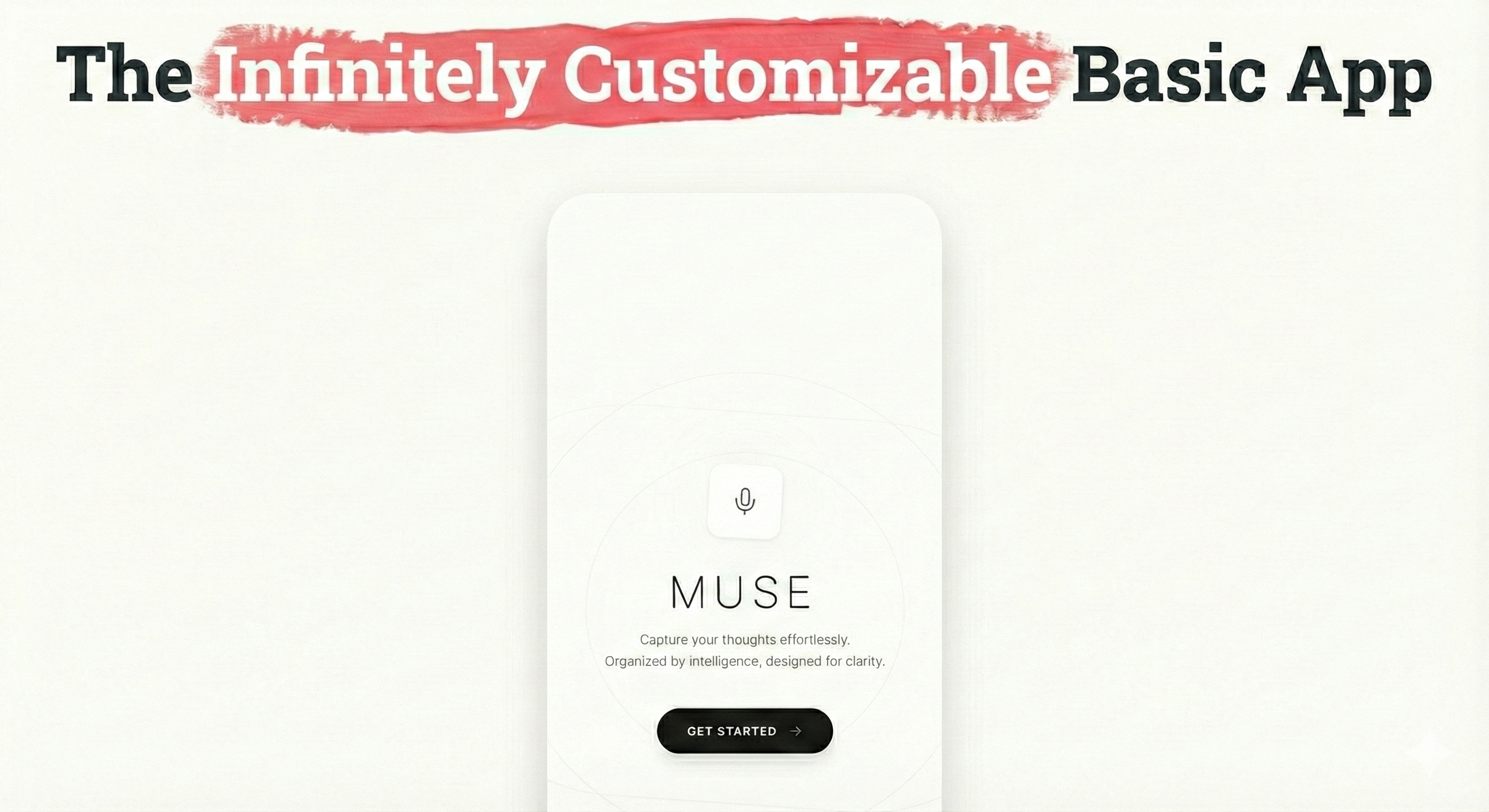
It starts with an observation we all know is true: AI is making it trivial to build software. We’ve seen Cursor with GPT-5.2 write 3 million lines of code to build a browser from scratch in a week. We’ve seen Claude Co-Work built in under two weeks, almost entirely by Claude itself.
We are rapidly approaching a world where you can start with a blank slate and generate an application tailored entirely to your specific whims. This unlocks a future of hyper-personalized apps and Generative UX that’s wild to imagine.
But this capability leads to a product tension that I can’t quite resolve (yet).
Do most users actually want software that is unique to them? Or do they crave the shared language of a Common App?
The “Muse” Hypothesis
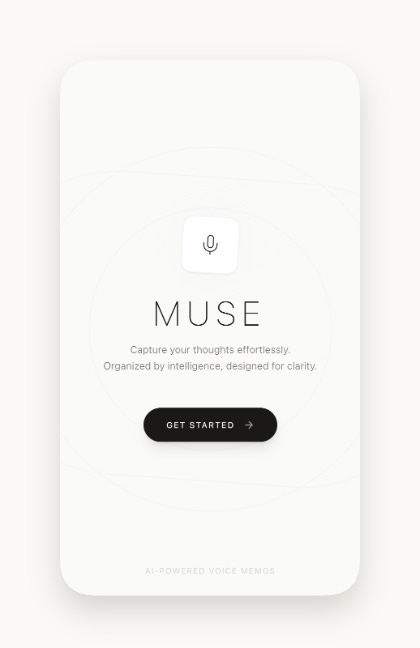
One way I’ve been exploring this is through a thought experiment I call Muse.
Why start with a basic app and not a total blank canvas? Because a blank canvas is terrifying. One of the hardest user challenges to solve is the “blank start.” Users often don’t know what to do without a nudge. That’s why we see sample galleries
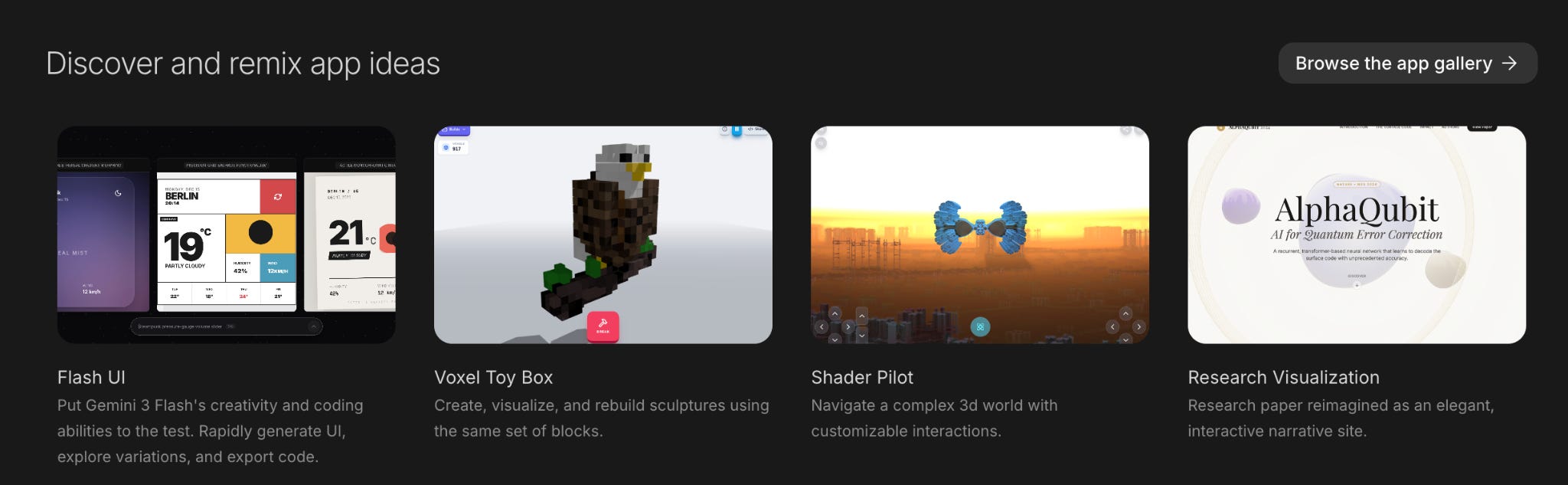
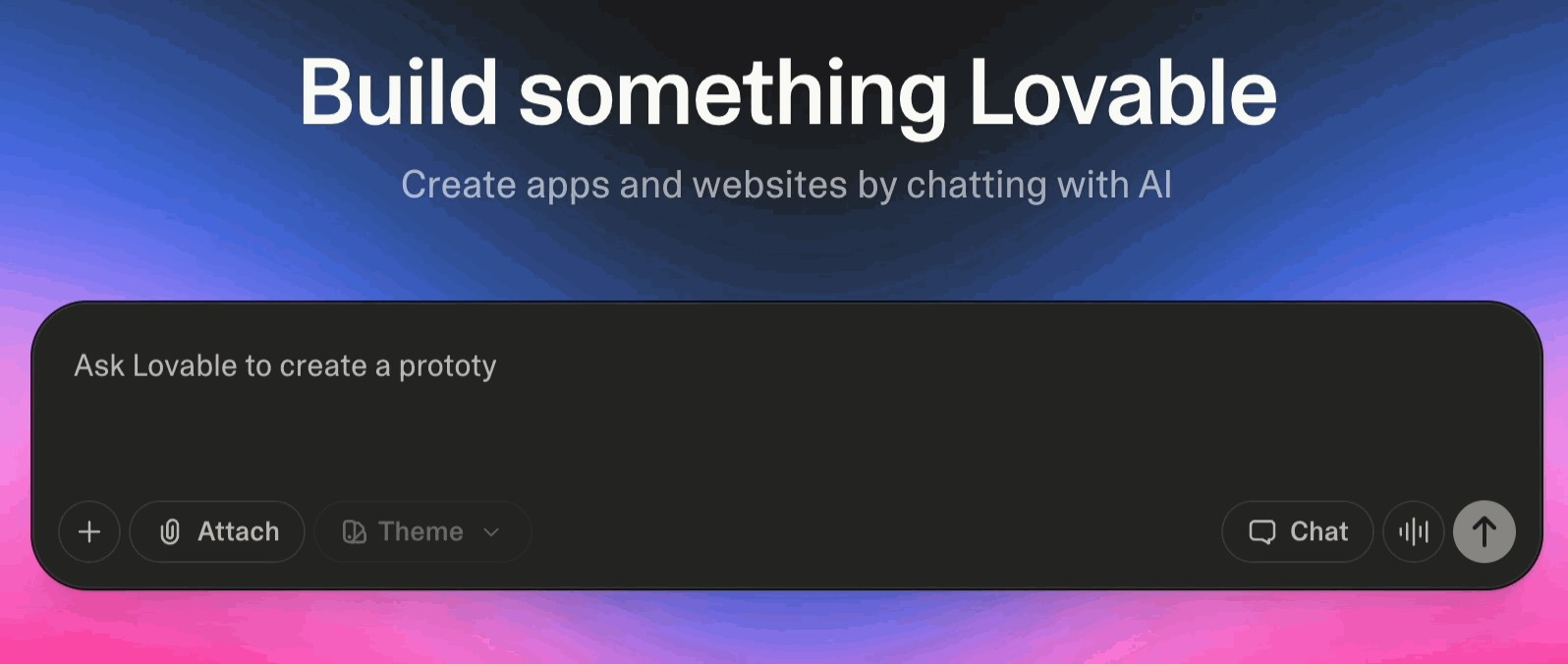
and suggested prompts everywhere.
So for Muse, I’m imagining a slightly more opinionated start. It’s a voice recorder app. But it’s the most basic voice recorder ever.
It does exactly four things:
Records voice memos.
Automatically generates a title for each one.
Shows you the length and date.
Plays it back.
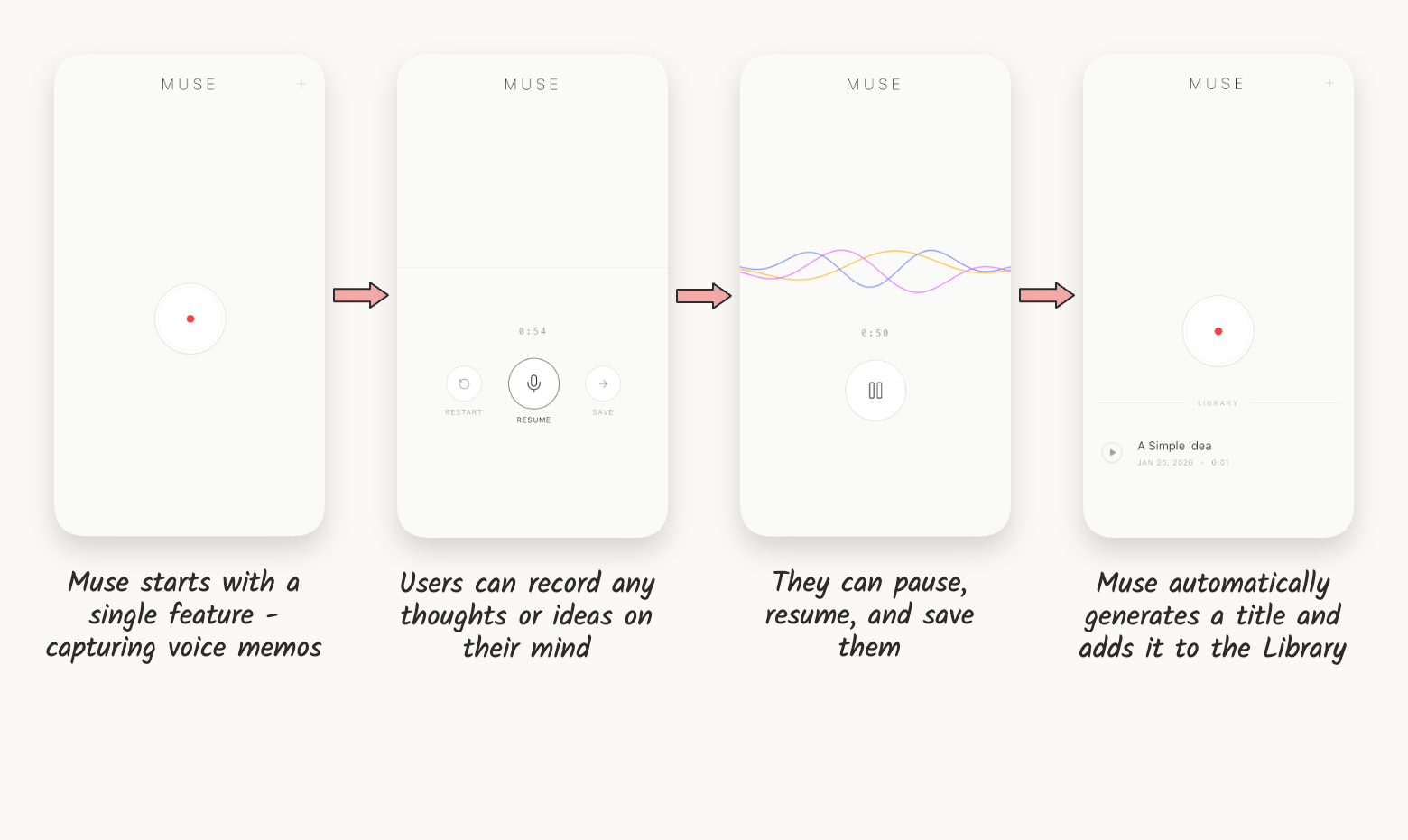
The idea is that it does one thing well enough to be immediately useful. But the real magic is the “+” button in the top right.
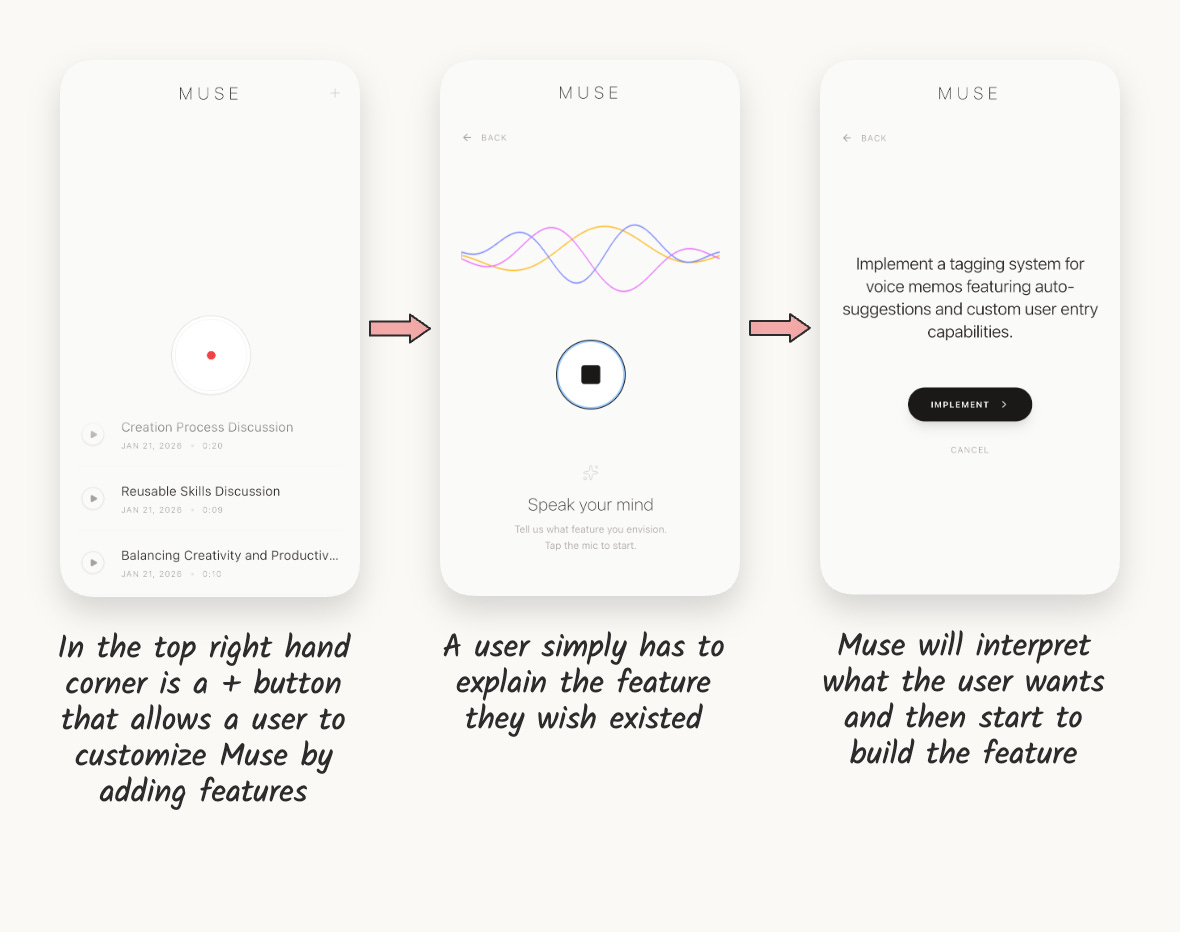
From this simple base, a user can shape Muse into exactly what they need. They click “+”, explain a feature, and the app builds it directly into itself.
User A turns it into a complex project management tool.
User B turns it into a personal diary with sentiment analysis.
User C turns it into a podcasting studio.
Technologically, this is thrilling. It solves the feature bloat problem. Instead of an app with 500 features you don’t use, you have an app with the 5 features you specifically requested.
But here is where the questions creep in.
The Loss of Shared Context
There is an inherent value in standardized software that can’t be overlooked: Community.
Think about the massive ecosystems that spring up around tools like Excel, Notion, and Canva. There are YouTube tutorials, Reddit threads, and entire consultancies dedicated to teaching you the “best” way to use them. This is about more than just learning software - it’s about learning habits that trickle out into your real life (ideally in good and meaningful ways).
We crave this shared language. We want to watch a video on “How to organize your life in Notion” and be able to apply it immediately (1.6M views on this video).
If everyone is using a hyper-personalized version of an app, that shared reality fractures. If my version of Muse looks nothing like yours, we can’t learn from each other. We can’t get excited about a new “hack” (or commiserate over the same bugs). The “cult” of the product dissolves, and with it, a huge part of what makes software sticky might vanish too.
The Burden of Creation
There is another friction here: Effort.
To use a customized app, you have to want to customize it. You have to be the stakeholder. You have to care enough to articulate, “I want this feature.”
But most users don’t want to be product managers. They want to be given an app that just works. They want an opinionated piece of software that says, “This is how you organize your thoughts.”
My husband loves Notion. But he didn’t just love it for the features (many of which he admits he doesn’t use); he loved the structure it imposed. He loved that someone else had done the thinking for him.
If we give users a blank canvas - or even a basic app like Muse - we are also giving them a job. And I’m not sure how many people want to work for their software.
A New Version of Shared Creation?
So, how do we solve this?
Maybe the answer is a platform with its own intelligence - a layer of agents that understand how every version of the app has been customized.
Imagine if Muse could spot a workflow that User X dreamed up, realize that User Y has similar habits, and suggest it to them. Or maybe it just goes ahead and adds it, creating a custom explainer video for the new feature the next time they log in.
Would people want that level of proactivity? An app that shifts under their feet? Or is it enough for Muse to just gently suggest improvements?
The Coming Tension
These thoughts are still half-baked and actively forming - but that’s what this year is about. Thinking in public.
I keep coming back to the idea that 2026 will be defined by tensions. Right now, the tensions in my head for this specific idea are:
Custom vs. Standard: Do we build engines for personalization, or opinionated products that scale?
Isolation vs. Community: Does hyper-customization isolate users from the shared experience that makes software sticky?
Agency vs. Passivity: Do users want to build their tools, or do they just want their tools to work?
I don’t have the answer yet. My gut tells me we will end up with a spectrum - opinionated products, totally open “vibe coding” platforms, and perhaps a middle ground of “Basic Apps” with AI edges.
We have the technology to build anything for anyone. The question is no longer can we build it, but should we?
Oh this is so interesting! What a cool idea. I’ve been building a journalling app for folks with ADHD and thinking a lot about how different systems work for different people. I love that your approach considers how some people love creating and others want to consume but might struggle finding the right method for them. Your approach feels like it solves that and factors in community. Looking forward to hearing more about it.
This is a great topic. Users don’t actually want infinite flexibility, they want momentum. Blank canvases and empty apps add cognitive load, pushing work onto the user instead of solving their problem.
That’s why “figure it out yourself” products likely need different metrics: ones that reflect real outcomes, not just interactions. We’ll probably see simpler apps and interfaces on the surface, with AI quietly handling the complexity underneath.